Facts about Cerebral Palsy
Important figures and facts to raise awareness and understand the impact of cerebral palsy in society.
Facts and Prevalence
Cerebral palsy is one of the most common causes of motor disability and the most common in children. It is estimated that between 2 and 2.5 per thousand births in Spain has cerebral palsy, that is, one in 500 people. Put another way, in Spain there are 120,000 people with cerebral palsy.
It is very important to know that cerebral palsy cannot be cured. Strictly speaking it is not a disease, since cerebral palsy, as such, does not require any treatment, neither pharmacological nor therapeutic.
Treatments and Autonomy
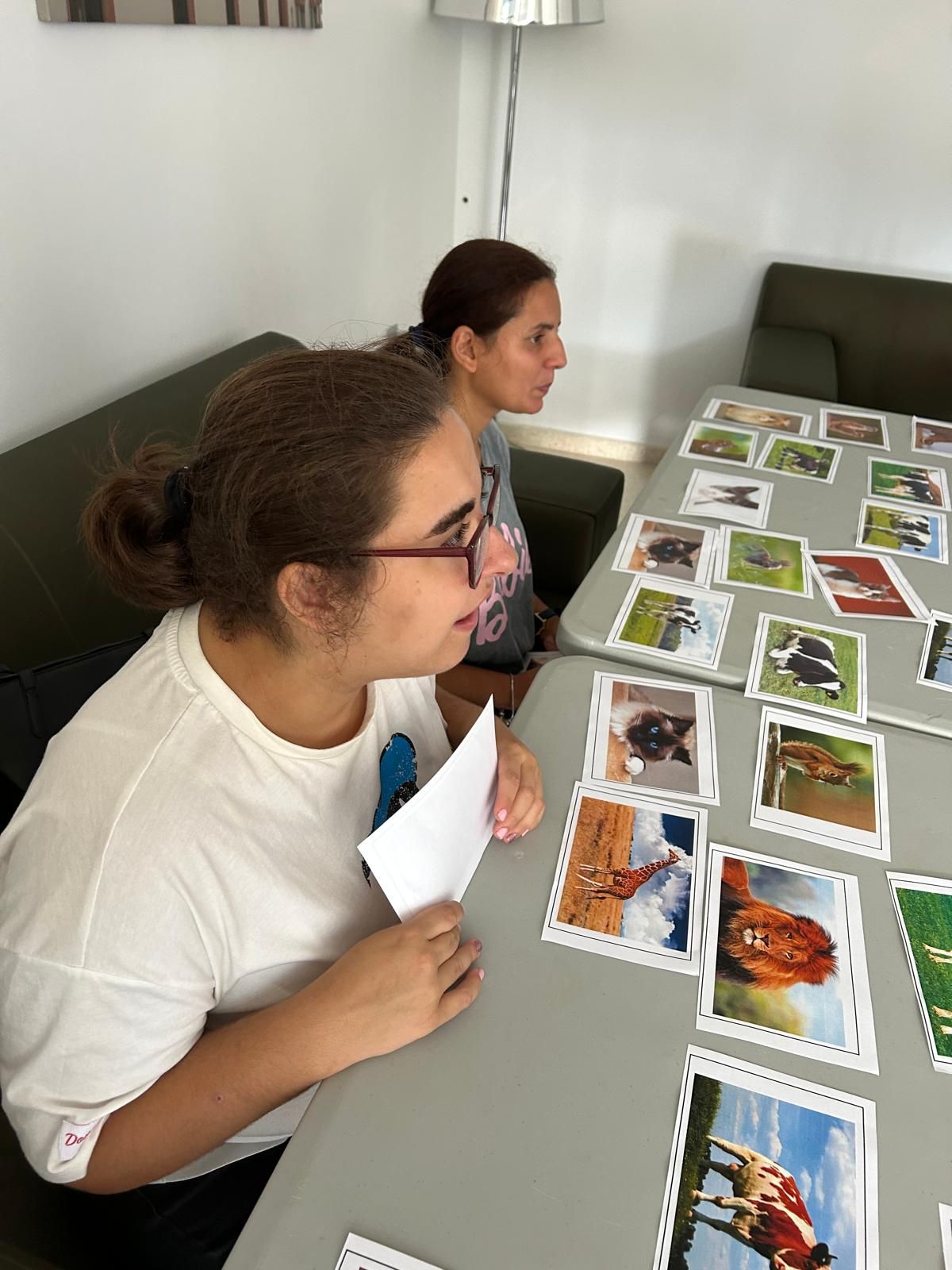
However, the symptoms of this disability can be treated, especially in four fundamental areas: physiotherapy, speech therapy, educational support, and occupational therapy.
Thus, if the person receives adequate care to help them improve their movements, stimulate their intellectual development, develop their communication, and enhance their social skills, they can achieve important levels of autonomy and lead a full life.