Information and Awareness
What is Cerebral Palsy?
Cerebral palsy is a physical multi-disability caused by a brain injury occurring before the brain's development and maturation are complete. The injury that causes cerebral palsy can occur before birth, during delivery, or after birth up to 3 years of age. 90% of cerebral palsy cases occur before or during birth, due to infections, brain malformations, or strokes, among other causes.
1 in 500 people has cerebral palsy, and it is the most common cause of physical disability in children. Globally, there are 17 million people with cerebral palsy, and 120,000 people live with this disability in Spain.
80% of people with cerebral palsy have high support needs. High support needs mean requiring help or companionship from another person 24 hours a day, 365 days a year. These high support needs should not prevent anyone with cerebral palsy from leading an independent life. Moving toward independent living means offering a personalized range of supports that aims to promote the person's participation, but above all, places each person's decisions, wishes, and preferences at the center.
Cerebral Palsy: A Diverse Multi-Disability
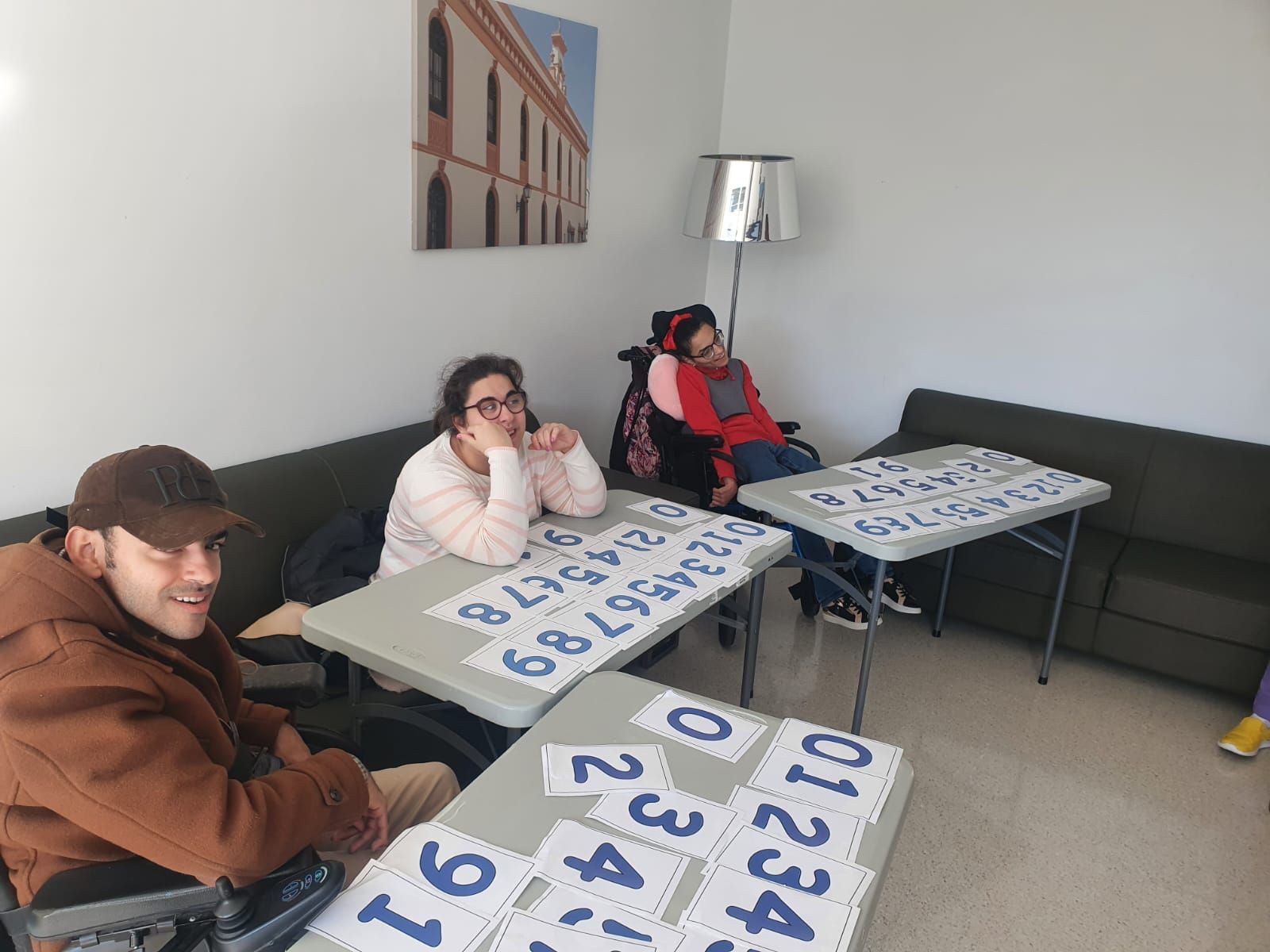
Each person with cerebral palsy has different support needs. While all share a physical disability, this reality can be combined with one or more other disabilities. Thus, 50% of people with cerebral palsy also have an intellectual disability. 80% have dysarthria, a physical difficulty in pronouncing words. Furthermore, 25% lack oral communication. Muscle stiffness caused by cerebral palsy, called spasticity, causes pain for 75% of the group. Other conditions also occur, such as epilepsy, behavioral issues, difficulty controlling sphincters, drooling, visual impairment, or sleep disturbances.
The diversity of this group makes it necessary to design a personalized and specialized intervention, support, and participation plan for each person, such as those offered by the member organizations of Confederación ASPACE.