Treatments
Although cerebral palsy has no cure, early multidisciplinary intervention significantly improves the quality of life.
Comprehensive Care & Meaningful Learning
Cerebral palsy cannot be cured, but the person can lead a full life with appropriate care, receiving treatments that help improve their movements, stimulate their intellectual development, allow them to develop the best possible communication level, and encourage their social relationships.
There are four pillars of cerebral palsy treatment: physical therapy, occupational therapy, compensatory education, and speech therapy. There are different techniques and approaches in their treatment, but it will only be effective if provided by qualified professionals.
With the aim of achieving comprehensive care for people with cerebral palsy and taking into account the specificity of this type of disability, work with people with cerebral palsy is approached as a construction process in which the person, the family, and the professionals must have an active attitude that contributes to reaching the person's maximum development.
To this end, Confederación ASPACE has more than 230 specialized centers throughout Spain where more than 4,500 specialized professionals work: Day Centers, Occupational Centers, Special Employment Centers, Residences and Supervised Apartments, and Treatment Centers. They provide Early Care, Physical Therapy, Communication, Language, Speech and Food services, Psychopedagogical support, Neuropsychological Rehabilitation, Psychotherapy, and Social Intervention.
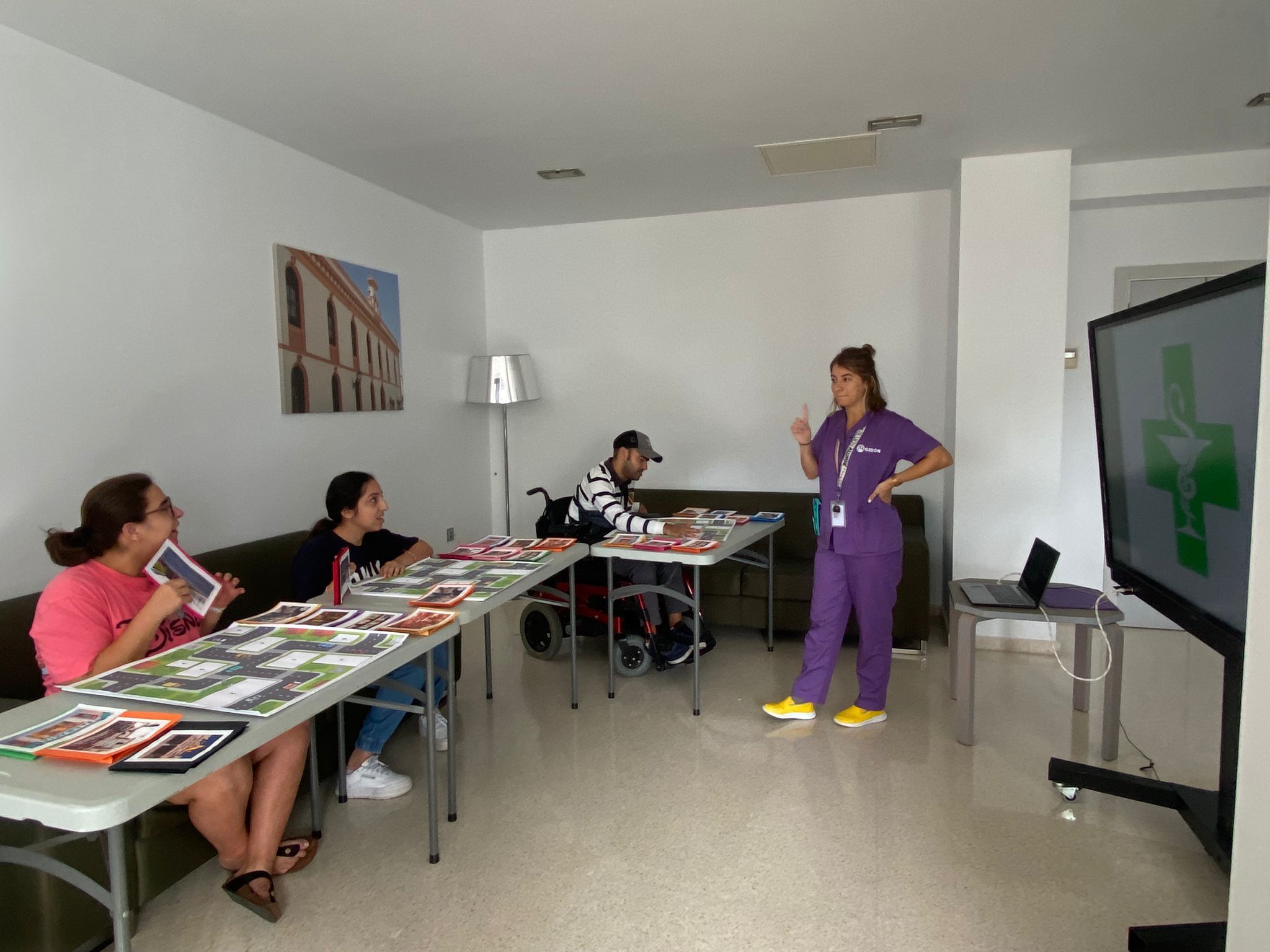
Therefore, the methodology used is meaningful learning, in which the person is the active subject of the process. Starting from and with them, objectives will be designed and content planned so that they adapt to the level of individual development, previous experiences, and the different contexts in which their life takes place or will take place, in order to guarantee functional enablement. For this, each person's repertoire of useful behaviors is used, which are the ones that direct their activity, to promote the gradual development of both personal and social autonomy.
Main therapies and treatments:
Physical Therapy
Physical therapy aims to improve muscle tone, strength, flexibility, balance, and motor coordination. It facilitates overall mobility and physical independence through stretching, exercises, and adapted equipment.
Occupational Therapy
Occupational therapy trains and rehabilitates the person in performing essential daily activities (eating, dressing, washing). Through adaptations, support products, and assistive technologies, it maximizes personal autonomy.
Speech and Language Therapies
Speech and language therapies (speech therapy) work on overcoming communication disorders and speech difficulties. They promote the use of Augmentative and Alternative Communication Systems (AAC) and prevent swallowing and feeding problems.
Recreational Therapies
Recreational therapies cover adapted sports, inclusive leisure activities, art therapy, and music therapy. They foster social interaction, sensory stimulation, emotional well-being, and active participation in the community.
Other Therapies
Other specialized support therapies and interventions include psychotherapy and emotional support for families, psychopedagogy, neuropsychological rehabilitation, and social integration interventions key to comprehensive development.